 Intro price. Get EdVision for Big Sale -95% off.


EdVision is an education website template. You can customize all.

Correlation vs Causation in Data Analysis
Correlation vs Causation in Data Analysis explores two closely related ideas that are easy to confuse but often lead to different technical choices.…
0 Students

Free
About Course
Correlation vs Causation in Data Analysis explores two closely related ideas that are easy to confuse but often lead to different technical choices. The course breaks down what each approach means, how each one works, and the practical differences that matter when you apply them.
Through clear examples and side-by-side reasoning, you’ll learn how to recognize the strengths, limitations, and typical use cases of each option. You’ll also see how context changes which approach is appropriate instead of relying on a one-size-fits-all rule.
By the end of the course, you’ll be able to distinguish these concepts confidently and make better-informed decisions when working in foundational and emerging STEM. This foundation supports more effective work in using scientific and mathematical ideas to explain, model, and solve real problems.
Benefits of the course
- Clearly distinguish Correlation from Causation in Data Analysis and understand why the difference matters.
- Recognize the situations in which each approach is commonly used.
- Compare the tradeoffs, strengths, and limitations of the two approaches.
- Avoid common misconceptions that can lead to poor technical decisions.
- Use context and requirements to choose between related approaches more confidently.
- Build a stronger conceptual foundation for using scientific and mathematical ideas to explain, model, and solve real problems.
Course Content
-
Correlation vs Causation in Data Analysis
00:00
Instructor
Kevin Tian founded EdVision with a vision to make high-quality STEM education and career opportunities more accessible to students in Thailand.
His work sits at the intersection of education, technology, and entrepreneurship, with a particular interest in how emerging technologies can transform the way people learn and prepare for their careers.
Through EdVision, Kevin is building a platform that goes beyond traditional online education—bringing together technical learning, career development, mentorship, and access to real-world opportunities.
His long-term goal is to help develop a stronger generation of STEM talent in Thailand: students who are not only prepared for the future of technology, but capable of shaping it.
Free
- Update: October 2, 2026
- Lectures1
Your Instructor
Kevin Tian
Kevin Tian founded EdVision with a vision to make high-quality STEM education and career opportunities more accessible to students in Thailand. His work sits at the intersection of education, technology, and entrepreneurship, with a particular interest in how emerging technologies can transform the way people learn and prepare for their careers. Through EdVision, Kevin is building a platform that goes beyond traditional online education—bringing together technical learning, career development, mentorship, and access to real-world opportunities. His long-term goal is to help develop a stronger generation of STEM talent in Thailand: students who are not only prepared for the future of technology, but capable of shaping it.
- 0 Courses
- 2 Reviews
- 0 Students
Show More
TOP COURSE
More Course By Kevin Tian
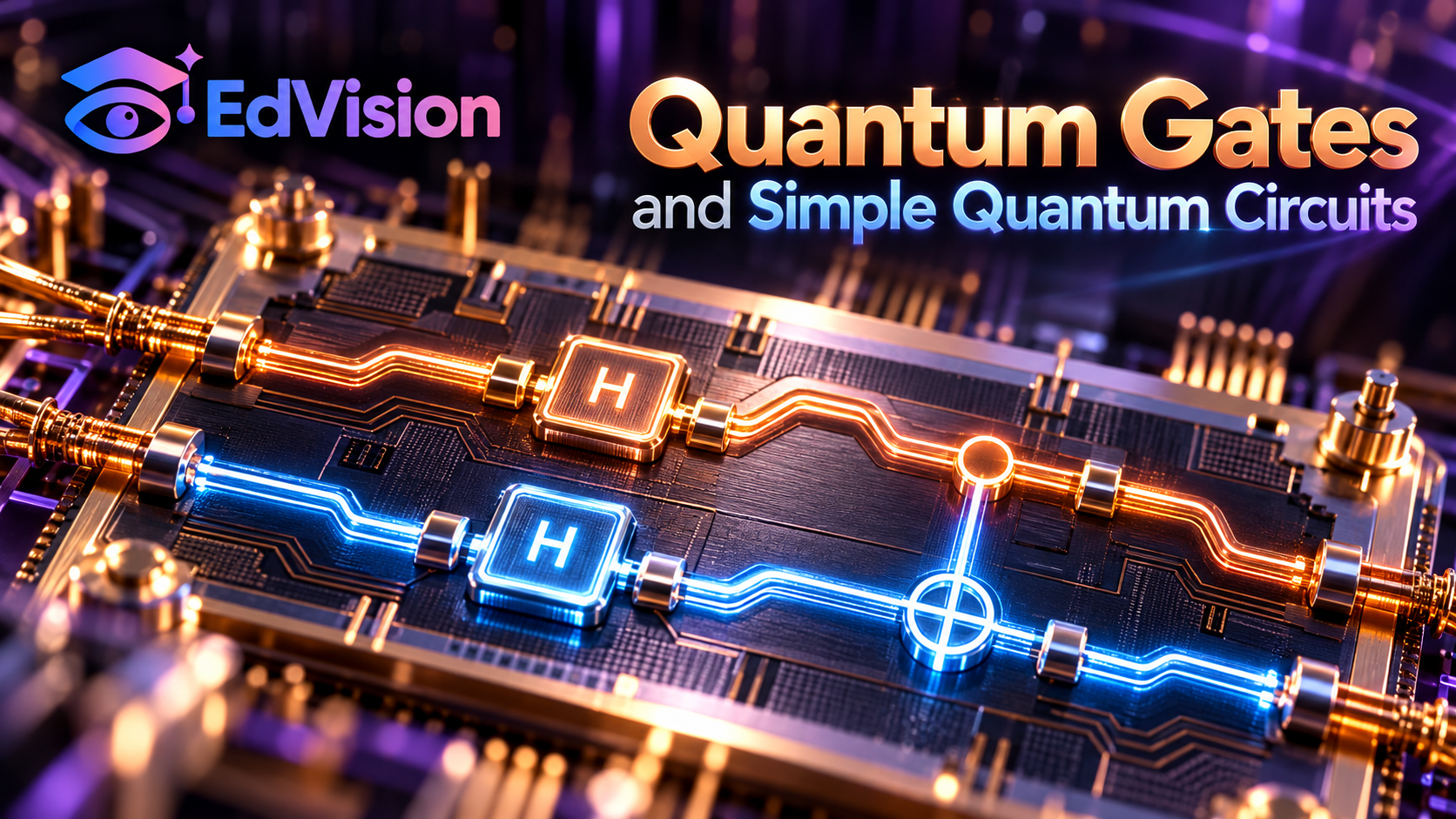
Quantum Gates and Simple Quantum Circuits
Quantum Gates and Simple Quantum Circuits introduces a core concept in foundational and…
Free
Learn More
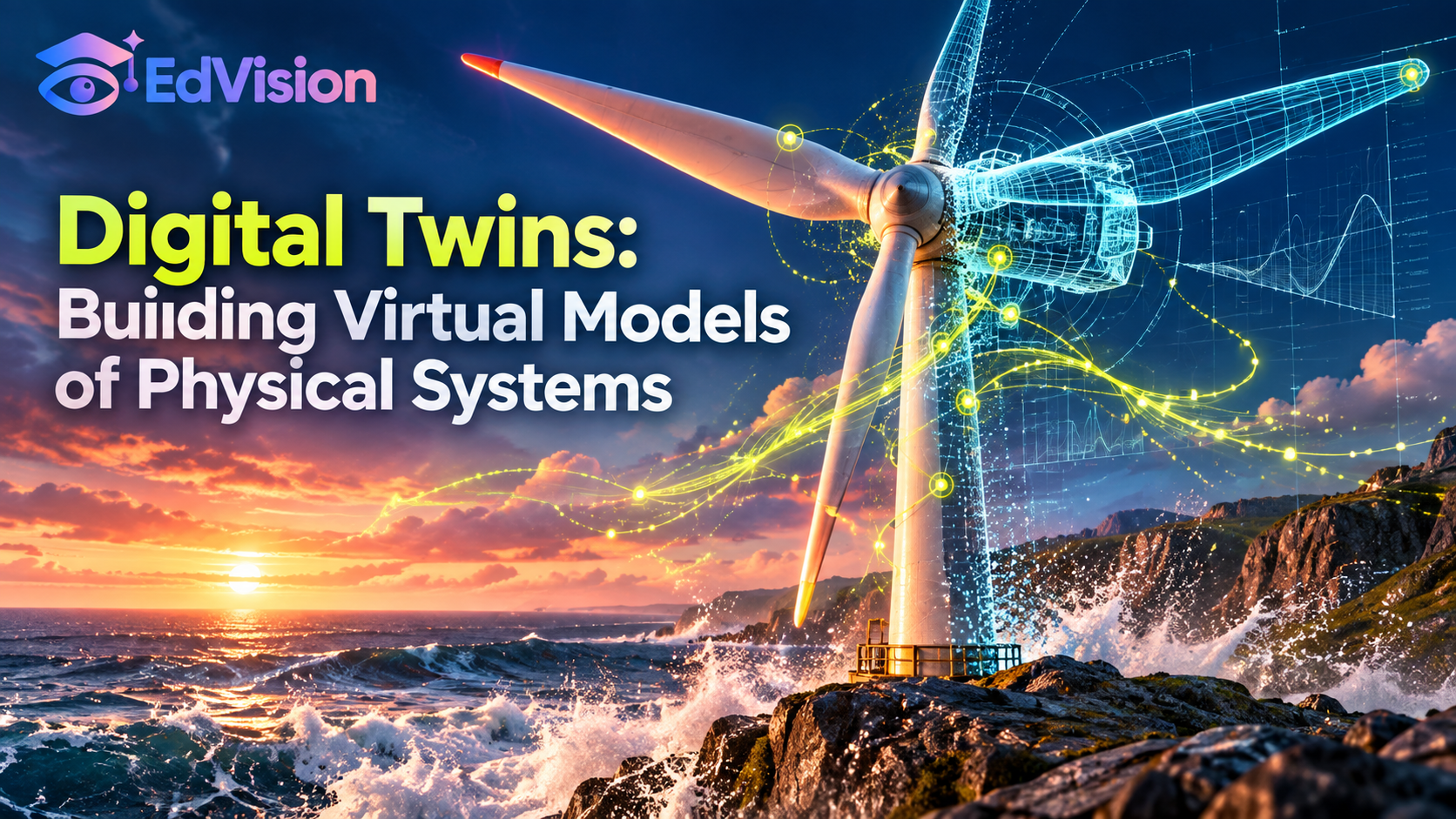
Digital Twins: Building Virtual Models of Physical Systems
Digital Twins: Building Virtual Models of Physical Systems introduces a core concept in…
Free
Learn More

Fourier Transforms: Breaking Signals into Frequencies
Fourier Transforms: Breaking Signals into Frequencies introduces a core concept in foundational and…
Free
Learn More
©2024. All rights reserved by EdVision